Metabolic
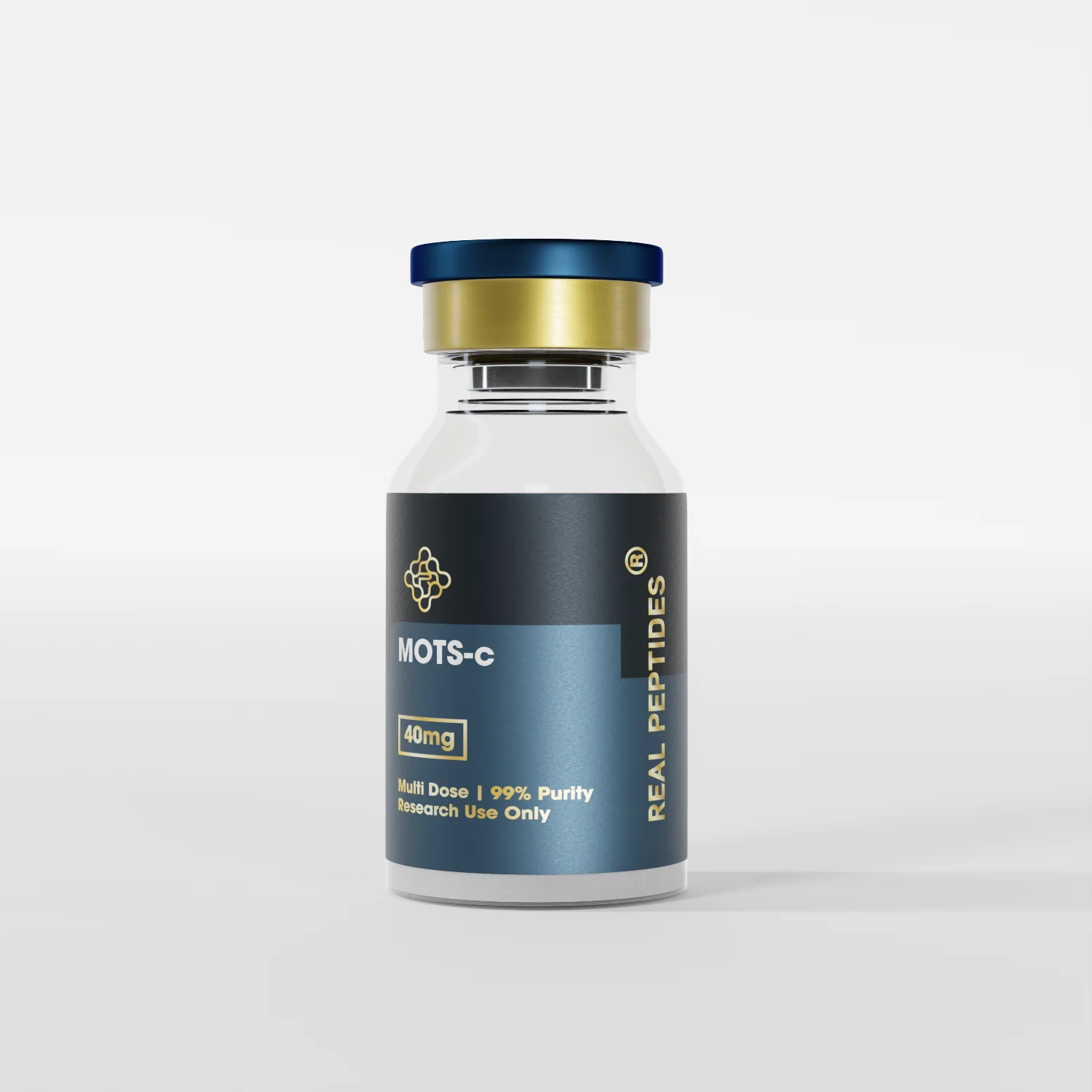
MOTS-c FDA status in 2026: the 8-6 compounding panel vote on 23 July, what the 503A bulks list is, and why nothing changes until final rules.
On 23 July 2026, FDA's Pharmacy Compounding Advisory Committee voted 8-6, with one abstention, to recommend adding MOTS-c to the 503A bulks list. It was the first time the MOTS-c FDA question reached a formal vote, and it is easy to read more into it than it says.
The voting process failed to grant approval to MOTS-c as a medication, does not make compounding lawful, and has not altered the situation of research-purpose vials. Here’s what transpired, what the outcome implies, and what to wait for in the future. Presently, MOTS-c has not received authorization from the FDA for use as a medication.
The committee voted on whether MOTS-c should be added to the 503A bulks list, and it recommended yes by 8-6 with one abstention. MOTS-c was voted on 23 July, the first of two meeting days, and it was one of six peptides the committee recommended across 23 and 24 July 2026.
| Compound | Date | Vote |
|---|---|---|
| MOTS-c | 23 July 2026 | 8-6, 1 abstention |
| BPC-157 | 23 July 2026 | 8-6, 1 abstention |
| TB-500 | 23 July 2026 | 8-6, 1 abstention |
| KPV | 23 July 2026 | 8-6, 1 abstention |
| Epitalon (epithalon) | 24 July 2026 | 7-4 |
| Semax | 24 July 2026 | 8-5 |
The committee didn't make a decision in favor of emideltide. GHK-Cu, Melanotan II, LL-37, dihexa, and PEG-MGF were skipped during the voting process and will undergo committee assessment prior to February of 2027.
The bulks list for 503A is the bulks list of the bulk drug substances that can be used by compounding pharmacies to produce medications for individual patients based on their prescriptions. Being on the list does not mean that the drug substance is approved, but rather that it can be compounded by a licensed pharmacy when ordered by the prescriber for a particular patient.
That is a completely different case than a research vendor that sells vials over the internet. Even if MOTS-c gets approved, the legal process would go through a prescription and pharmacy rather than through a site that says "research use only."
Since the vote was non-binding, nothing actually has changed at this point. The FDA needs to make its own decision, then put forth the proposed rule, seek public input, and eventually roll out the final policy. As of the meeting held in July, none of the six peptides suggested at the meeting were approved.
Late October 2026 brought reports of an HHS draft policy easing enforcement on six compounded peptides. It is a draft, not final, and we would not treat it as a change in law until it is published in final form.
MOTS-c reached the committee through the same broad review that covered several popular research peptides. In September 2023, FDA placed a number of peptides, including BPC-157 and TB-500, in "Category 2" of its interim bulk-substances lists, meaning compounding pharmacies could not use them while FDA reviewed safety concerns.
The July 2026 votes were the next step for MOTS-c and the other five. A close count like 8-6 reflects a committee that saw both a research case and real gaps, mainly the lack of controlled human data that we describe on the MOTS-c side effects page.
A month after the election, on 24 August 2026, FDA issued warning letters to five online peptide companies for selling unapproved medications. Their items included semaglutide, tirzepatide, retatrutide, tesamorelin, SS-31, PT-141, survodutide, mazdutide and bacteriostatic water. However, MOTS-c was not one of these items.
In any case, fans of the MOTS-c story will find the letters relevant. The FDA states that "Research Use Only" does not settle the matter; rather, the agency looks at the entire web site. For instance, disease indications and prescribing guidance, the reconstitution calculator, and the sale of bacteriostatic water with the injectables are parts of the web site and demonstrate that the use is human. These are the things we remind readers to consider before buying from manufacturers.
The next matters to observe are the FDA’s decision and any proposed legislation regarding the 503A list. In the meantime, as the final rule has not yet been issued, the MOTS-c FDA status remains unchanged: not approved, not included in the above list and sold only for research purposes.
We update this site as those steps happen. For the research behind the vote, start with MOTS-c benefits, and for related compounds see longevity peptides.
On 23 July 2026, FDA's Pharmacy Compounding Advisory Committee voted 8-6, with one abstention, to recommend adding MOTS-c to the 503A bulks list. It was the first time the MOTS-c FDA question reached a formal vote, and it is easy to read more into it than it says.
The voting process failed to grant approval to MOTS-c as a medication, does not make compounding lawful, and has not altered the situation of research-purpose vials. Here’s what transpired, what the outcome implies, and what to wait for in the future. Presently, MOTS-c has not received authorization from the FDA for use as a medication.
The committee voted on whether MOTS-c should be added to the 503A bulks list, and it recommended yes by 8-6 with one abstention. MOTS-c was voted on 23 July, the first of two meeting days, and it was one of six peptides the committee recommended across 23 and 24 July 2026.
| Compound | Date | Vote |
|---|---|---|
| MOTS-c | 23 July 2026 | 8-6, 1 abstention |
| BPC-157 | 23 July 2026 | 8-6, 1 abstention |
| TB-500 | 23 July 2026 | 8-6, 1 abstention |
| KPV | 23 July 2026 | 8-6, 1 abstention |
| Epitalon (epithalon) | 24 July 2026 | 7-4 |
| Semax | 24 July 2026 | 8-5 |
The committee didn't make a decision in favor of emideltide. GHK-Cu, Melanotan II, LL-37, dihexa, and PEG-MGF were skipped during the voting process and will undergo committee assessment prior to February of 2027.
The bulks list for 503A is the bulks list of the bulk drug substances that can be used by compounding pharmacies to produce medications for individual patients based on their prescriptions. Being on the list does not mean that the drug substance is approved, but rather that it can be compounded by a licensed pharmacy when ordered by the prescriber for a particular patient.
That is a completely different case than a research vendor that sells vials over the internet. Even if MOTS-c gets approved, the legal process would go through a prescription and pharmacy rather than through a site that says "research use only."
Since the vote was non-binding, nothing actually has changed at this point. The FDA needs to make its own decision, then put forth the proposed rule, seek public input, and eventually roll out the final policy. As of the meeting held in July, none of the six peptides suggested at the meeting were approved.
Late October 2026 brought reports of an HHS draft policy easing enforcement on six compounded peptides. It is a draft, not final, and we would not treat it as a change in law until it is published in final form.
MOTS-c reached the committee through the same broad review that covered several popular research peptides. In September 2023, FDA placed a number of peptides, including BPC-157 and TB-500, in "Category 2" of its interim bulk-substances lists, meaning compounding pharmacies could not use them while FDA reviewed safety concerns.
The July 2026 votes were the next step for MOTS-c and the other five. A close count like 8-6 reflects a committee that saw both a research case and real gaps, mainly the lack of controlled human data that we describe on the MOTS-c side effects page.