Metabolic
MOTS-c side effects in people are largely unknown. What animal research can reveal, product purity risks, and what the split FDA vote means.
Most reported side effects are mild and temporary. Common reactions include flushing, nausea, headache and injection-site redness. If symptoms persist or worsen, stop use and consult a healthcare provider.
When FDA's compounding advisory committee voted on MOTS-c on 23 July 2026, the result was 8-6 with one abstention. A split that close on a recommendation tells you something before you read a single study: the people reviewing the evidence did not agree, and the safety record for MOTS-c side effects in people is thin.
This page is focused on the knowledge as well as the absence of knowledge, and working safety problems that come with procuring a research compound instead of the actual molecule. MOTS-c has not received FDA authorization and the information provided on this page cannot be considered a medical advice.
Data on side effects in humans with respect to MOTS-c is practically not available since no human trials using controlled method have been carried out in the past. Information on side effects produced by approved medications comes from conducted trials on specific populations where side effects have been monitored.
Hence, any list of side effects associated with MOTS-c that you may discover on the internet will be based on research carried out using animals, sourced from personal narratives on the forums, or entirely made up. The Peptide God has a note indicating that, among the downsides, there is the absence of human testing.
Animal experiments can indicate clear toxicity in a laboratory environment, but it cannot predict how humans will respond. MOTS-c has been primarily investigated through metabolic and exercise experiments on animals designed to answer questions rather than build a safety record for humans.
We read the absence of reported problems in animal studies as "not yet studied in people," never as "safe."
In terms of research compounds, there are several possible risks associated with them. One of the risks is the identity, purity and labeling of the product itself. A vial meant for research purposes has not gone through the pharmaceutical production standards and therefore whatever is contained in it depends on the supplier and the batch.
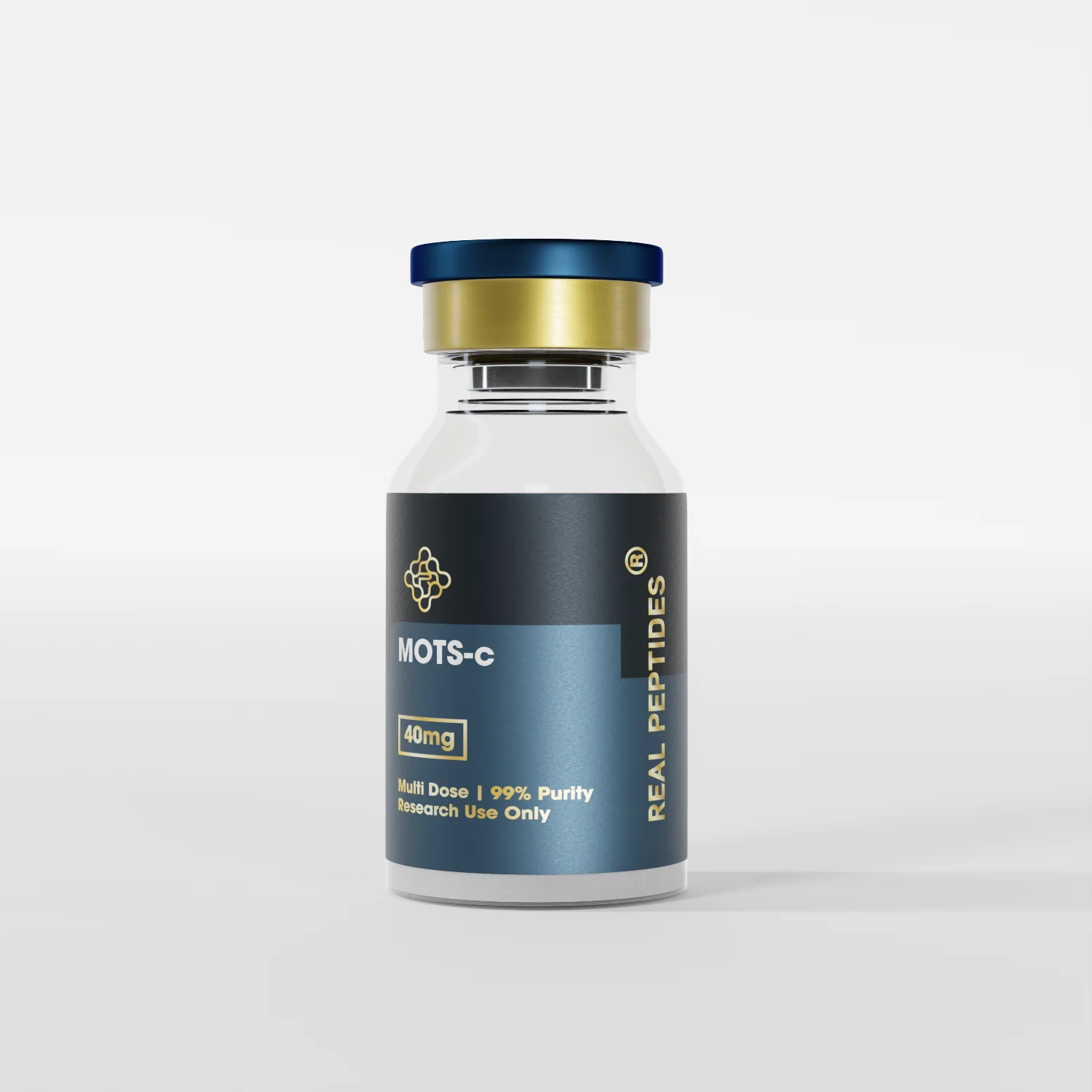
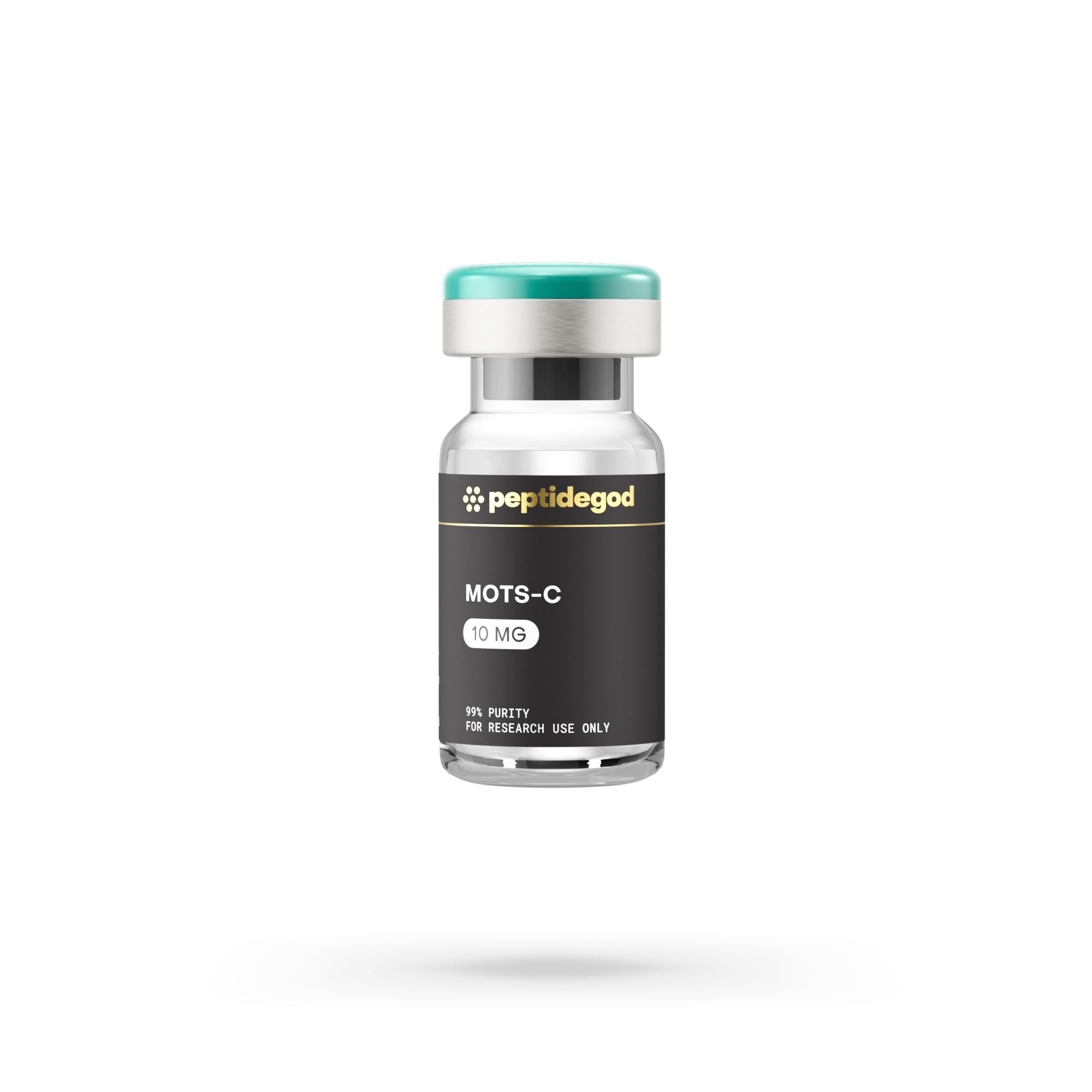
The two vendors we track make different testing claims. Real Peptides says it publishes a third-party COA for its $43.20 MOTS-c vial. Peptide God describes its $49.95 MOTS-c as lab-tested at 99% purity or higher. Review data on Real Peptides also mention mislabeled vials and under-filled liquid products among complaints, which shows that labeling errors do happen even with established vendors.
The division of votes indicates that there were controversies regarding the evidence; however, it does not prove that MOTS-c was allowed to be released. The members of the committee were considering whether MOTS-c should be included in the 503A list that can be used by compounding pharmacies. The result of the voting showed that six members were against and one abstained.
Even the eight yes votes were only a recommendation. FDA must still decide and then go through proposed and final rulemaking with public comment. As of the July meeting, compounding MOTS-c was not permitted. The full picture is on our MOTS-c FDA page.
A website that combines MOTS-c with information on when to use it serves as a warning regarding its legality as well as safety. In letters sent in August 2026 to five peptide suppliers, the FDA said that the combination of dosage instructions, reconstitution calculators and bacteriostatic water with injectable drugs indicates that the drug was intended for human use.
side effects, the matter is straightforward. The guidelines have not stemmed from clinical trials, so they cannot guarantee safety. They merely lend the suggestion that someone has experimented on the product.
If you are thinking about taking any compound that has not been approved by the FDA, you should consult with your doctor, who knows your medical history. The following questions may be helpful:
A doctor may not have data on MOTS-c side effects either, but can judge your own risks. To compare the vendors behind these vials, see our MOTS-c vendor page.
When FDA's compounding advisory committee voted on MOTS-c on 23 July 2026, the result was 8-6 with one abstention. A split that close on a recommendation tells you something before you read a single study: the people reviewing the evidence did not agree, and the safety record for MOTS-c side effects in people is thin.
This page is focused on the knowledge as well as the absence of knowledge, and working safety problems that come with procuring a research compound instead of the actual molecule. MOTS-c has not received FDA authorization and the information provided on this page cannot be considered a medical advice.
Data on side effects in humans with respect to MOTS-c is practically not available since no human trials using controlled method have been carried out in the past. Information on side effects produced by approved medications comes from conducted trials on specific populations where side effects have been monitored.
Hence, any list of side effects associated with MOTS-c that you may discover on the internet will be based on research carried out using animals, sourced from personal narratives on the forums, or entirely made up. The Peptide God has a note indicating that, among the downsides, there is the absence of human testing.
Animal experiments can indicate clear toxicity in a laboratory environment, but it cannot predict how humans will respond. MOTS-c has been primarily investigated through metabolic and exercise experiments on animals designed to answer questions rather than build a safety record for humans.
We read the absence of reported problems in animal studies as "not yet studied in people," never as "safe."
In terms of research compounds, there are several possible risks associated with them. One of the risks is the identity, purity and labeling of the product itself. A vial meant for research purposes has not gone through the pharmaceutical production standards and therefore whatever is contained in it depends on the supplier and the batch.
The two vendors we track make different testing claims. Real Peptides says it publishes a third-party COA for its $43.20 MOTS-c vial. Peptide God describes its $49.95 MOTS-c as lab-tested at 99% purity or higher. Review data on Real Peptides also mention mislabeled vials and under-filled liquid products among complaints, which shows that labeling errors do happen even with established vendors.
The division of votes indicates that there were controversies regarding the evidence; however, it does not prove that MOTS-c was allowed to be released. The members of the committee were considering whether MOTS-c should be included in the 503A list that can be used by compounding pharmacies. The result of the voting showed that six members were against and one abstained.
Even the eight yes votes were only a recommendation. FDA must still decide and then go through proposed and final rulemaking with public comment. As of the July meeting, compounding MOTS-c was not permitted. The full picture is on our MOTS-c FDA page.