Metabolic
MOTS-c dosage: why no approved human dose exists, why animal amounts do not carry over to people, and what FDA says about dosing guidance online.
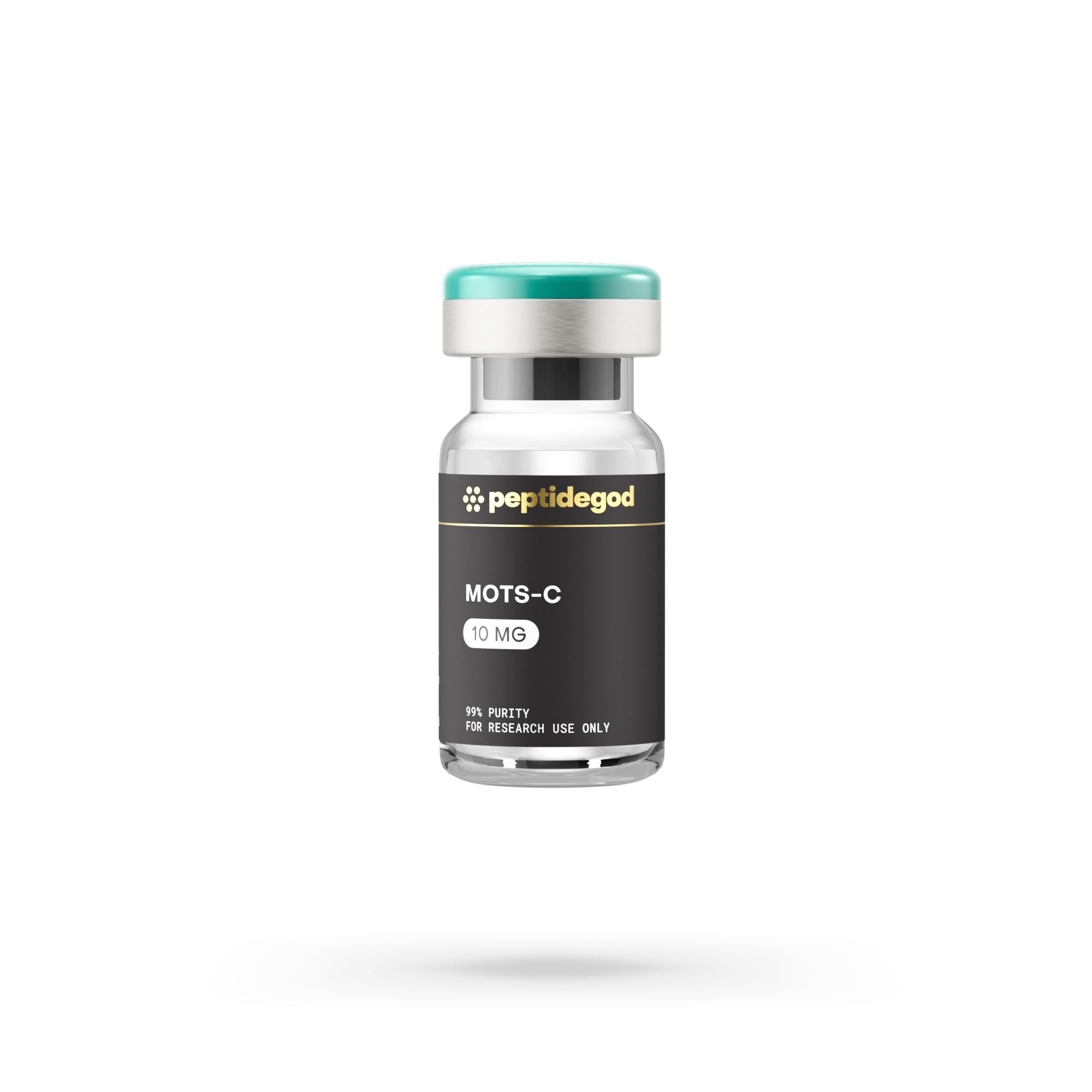
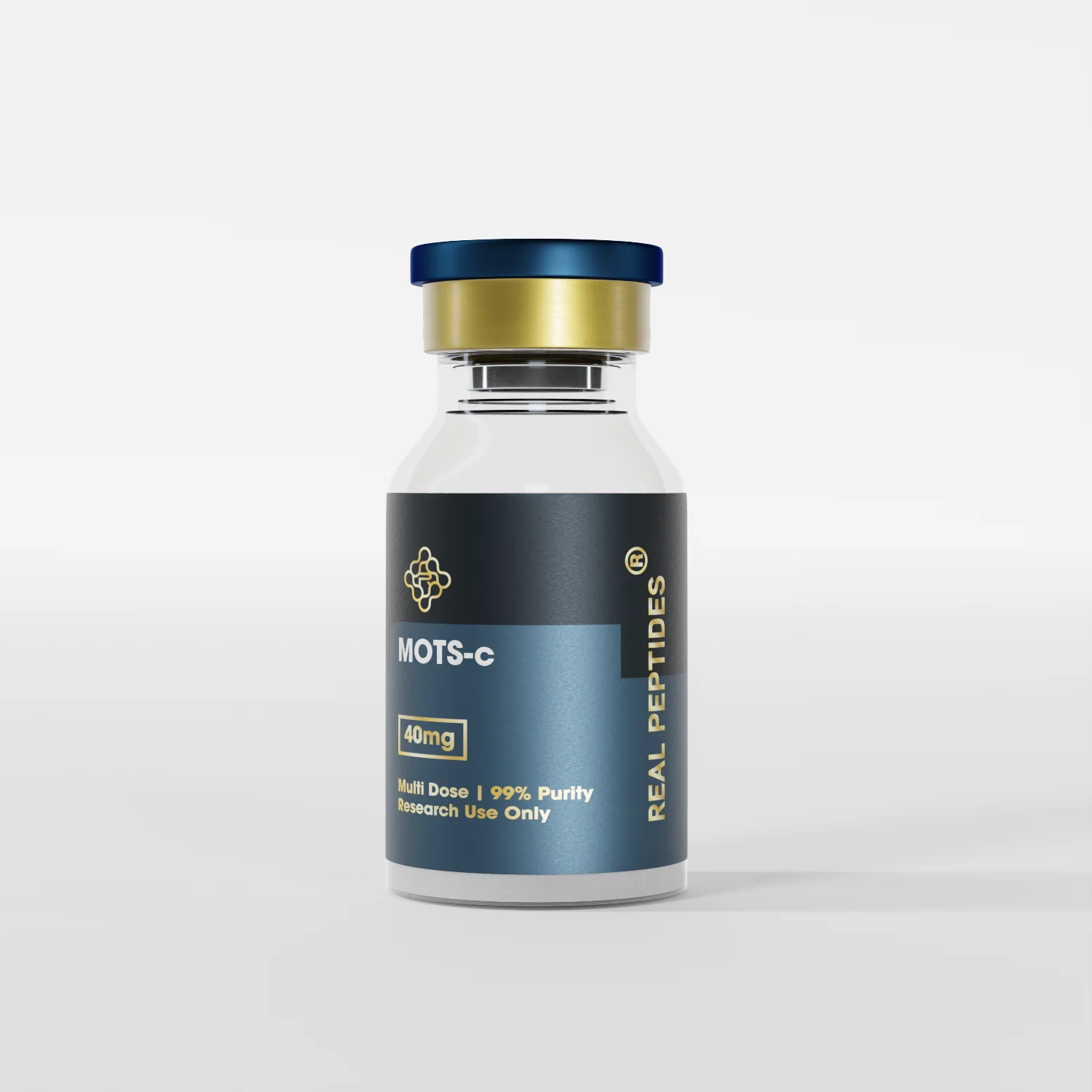
The only confidence we have in MOTS-c numbers is that they concern product specifications: Real Peptides markets MOTS-c in the form of a vial containing 10 mg at $43.20, while Peptide God offers it for $49.95. the dosage for MOTS-c used for humans, things are different: there is no human approved dose as of yet, and this section will elucidate the reason rather than repeat the numbers that lack research supporting them.
MOTS-c is not approved by the FDA for any application. The two suppliers put MOTS-c on sale and label it as being for research purposes, not for consumption by humans, so none of this is intended as medical guidance.
There is no human dose of MOTS-c that has approved, as there is not a regulatory body to consider MOTS-c as a drug, and there have not been any human trials yet. There is a specific, approved dose, which follows the appropriate sequence for such approval: initial studies on the safety of MOTS-c, followed by larger studies where various doses are compared, and then outcomes are monitored and collected. MOTS-c has not been through any of these processes.
Therefore, when a website provides the dosage of a drug called MOTS-c, that number is not sourced from the FDA, the drug label, or any data from trials conducted on humans. It is rather derived from some other sources, usually known to be animal tests or forum discussions, and both sources have their own shortcomings.
In animal studies, the dosage is generally different from that used in humans due to differences in species, size, metabolism, and mechanism of drug clearance. Additionally, the amounts of the substance used are originally chosen for the purpose of research.
We would not treat any number from an animal paper as a guide for a person, and we do not print one here.
Forum posts that describe MOTS-c amounts and schedules are personal anecdotes, not data. Nobody checked what was in the vial, nobody tracked side effects in a controlled way, and nobody compared results with a group that took nothing.
Product quality adds a second problem. Review data for Real Peptides mention mislabeled vials and under-filled liquid products among complaints, so even a forum poster who reports carefully may not know what they used. Our MOTS-c side effects page covers this risk in more depth.
FDA treats dosing guidance on a peptide site as evidence that a product is meant for human use. In its 24 August 2026 warning letters to five online peptide vendors, FDA said "research use only" labels do not decide the question. It looked at the whole website, and dosing guidance, reconstitution calculators and bacteriostatic water sold next to injectables all counted against the vendors.
Therefore, a responsible MOTS-c site, such as this one, does not disclose any amounts, schedules or the mixing instructions. This is also a useful indicator for buyers: a provider who publishes MOTS-c dosage chart is ignoring one of the most obvious messages given by the FDA.
If MOTS-c is ever compounded legally, the prescriber would set the dose for the individual patient, not a vendor or a website. On 23 July 2026, FDA's Pharmacy Compounding Advisory Committee voted 8-6, with one abstention, to recommend MOTS-c for the 503A bulks list.
The vote is non-binding. FDA must still decide and complete proposed and final rulemaking with public comment, and as of the July meeting compounding MOTS-c was not permitted. Even after a final rule, compounding means a prescription for a named patient. The process is set out on our MOTS-c FDA page. The same principle already applies to prescription NAD+ products from telehealth services: the prescriber decides, after a medical intake.
Instead of dosing numbers, we print the specs a buyer can actually check on a label.
| Listing | Price | Stated strength | Form | Testing claim |
|---|---|---|---|---|
| Real Peptides MOTS-c Peptide | $43.20 | 10mg | Lyophilized powder | Third-party COA |
| Peptide God MOTS-c | $49.95 | Not stated | Lyophilized powder | Lab-tested, 99% purity or higher |
Vial strength tells you how much compound you are paying for, which is why the Real Peptides vial works out to $4.32 per mg. It says nothing about how much anyone should use. If you are considering MOTS-c for your own health, talk to your doctor. For the background on the peptide, see what is MOTS-c.
The only confidence we have in MOTS-c numbers is that they concern product specifications: Real Peptides markets MOTS-c in the form of a vial containing 10 mg at $43.20, while Peptide God offers it for $49.95. the dosage for MOTS-c used for humans, things are different: there is no human approved dose as of yet, and this section will elucidate the reason rather than repeat the numbers that lack research supporting them.
MOTS-c is not approved by the FDA for any application. The two suppliers put MOTS-c on sale and label it as being for research purposes, not for consumption by humans, so none of this is intended as medical guidance.
There is no human dose of MOTS-c that has approved, as there is not a regulatory body to consider MOTS-c as a drug, and there have not been any human trials yet. There is a specific, approved dose, which follows the appropriate sequence for such approval: initial studies on the safety of MOTS-c, followed by larger studies where various doses are compared, and then outcomes are monitored and collected. MOTS-c has not been through any of these processes.
Therefore, when a website provides the dosage of a drug called MOTS-c, that number is not sourced from the FDA, the drug label, or any data from trials conducted on humans. It is rather derived from some other sources, usually known to be animal tests or forum discussions, and both sources have their own shortcomings.
In animal studies, the dosage is generally different from that used in humans due to differences in species, size, metabolism, and mechanism of drug clearance. Additionally, the amounts of the substance used are originally chosen for the purpose of research.
We would not treat any number from an animal paper as a guide for a person, and we do not print one here.
Forum posts that describe MOTS-c amounts and schedules are personal anecdotes, not data. Nobody checked what was in the vial, nobody tracked side effects in a controlled way, and nobody compared results with a group that took nothing.
Product quality adds a second problem. Review data for Real Peptides mention mislabeled vials and under-filled liquid products among complaints, so even a forum poster who reports carefully may not know what they used. Our MOTS-c side effects page covers this risk in more depth.
FDA treats dosing guidance on a peptide site as evidence that a product is meant for human use. In its 24 August 2026 warning letters to five online peptide vendors, FDA said "research use only" labels do not decide the question. It looked at the whole website, and dosing guidance, reconstitution calculators and bacteriostatic water sold next to injectables all counted against the vendors.
Therefore, a responsible MOTS-c site, such as this one, does not disclose any amounts, schedules or the mixing instructions. This is also a useful indicator for buyers: a provider who publishes MOTS-c dosage chart is ignoring one of the most obvious messages given by the FDA.