Metabolic
MOTS-c weight loss claims rest on animal research only. See what the data covers, why no human trials exist, and how 5-Amino-1MQ compares to it.
Currently, there have been no human studies to test MOTS-c in relation to weight loss. The whole story about MOTS-c and its effectiveness in promoting weight loss is based on animal and laboratory studies, and both suppliers have indicated the lack of human studies as a disadvantage of their products.
That does not render the subject void. Instead, it simply turns it into a research question, and this page provides information about the focus of the research and its scope as well as the reason for the $43.20 purchase of a vial which is not a weight loss product. Furthermore, MOTS-c is not approved by the FDA for any purpose.
MOTS-c is associated with the concept of weight loss because it is viewed as a metabolic signal, and metabolism is one of the keywords used in weight-loss advertisements. The peptide is derived from mitochondrial DNA, mitochondria serve as the location for turning fuel into energy. Researchers made note of a peptide from this system influencing energy metabolism in the body.
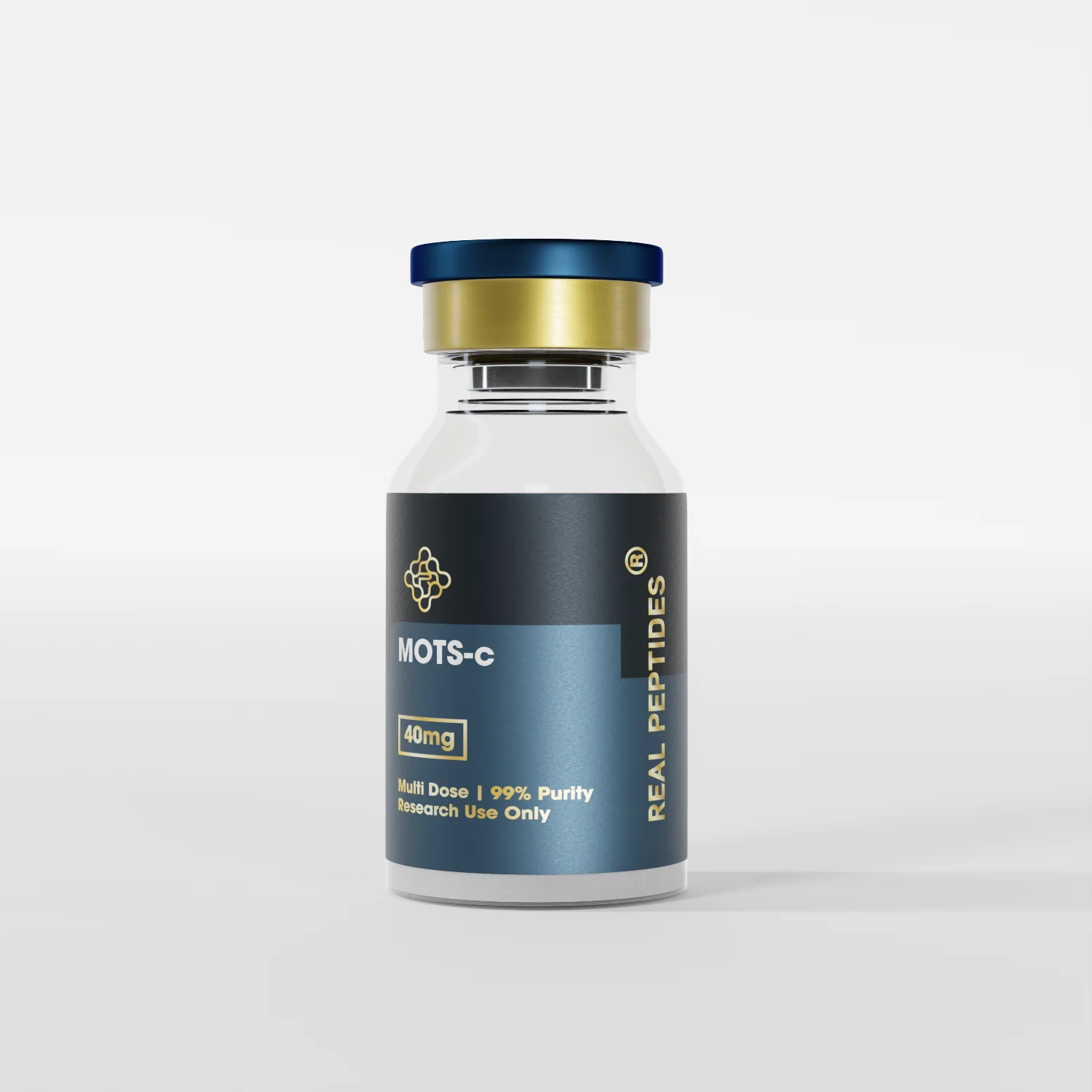
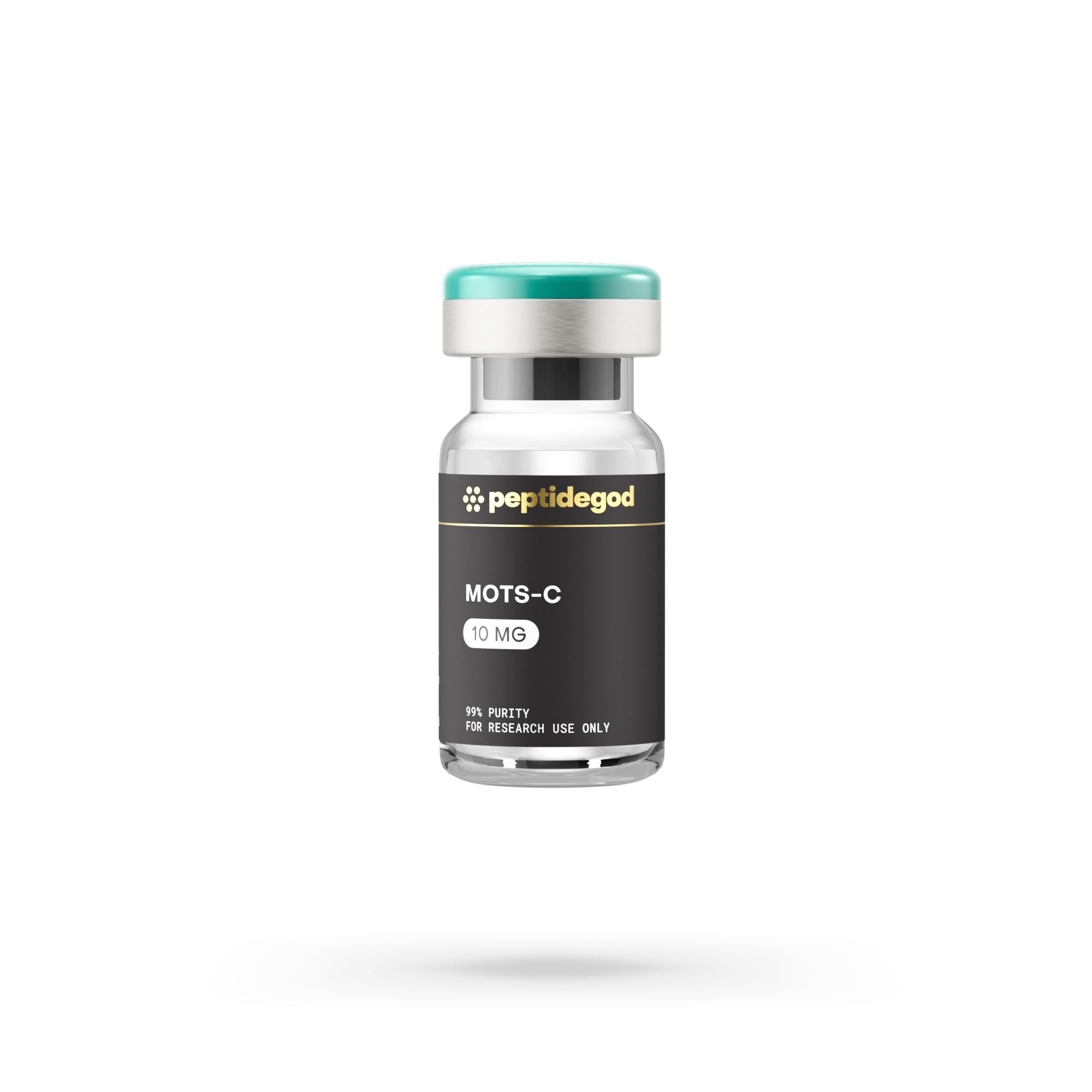
The choice of words by vendors exhibits the theme of their research. For example, Peptide God lists “Metabolism and endurance research,” while Real Peptides refers to MOTS-c as a “related metabolic peptide.” Neither of them states that it leads to weight loss in humans which a careful reader must recognize.
MOTS-c is being researched in animals, and the research questions are related to metabolism and exercise in laboratory conditions. This research doesn't provide any insights on what will happen to body weight in humans. In general terms, the studies published cover metabolic markers in rodents and often apply strict diet regimes.
Three limits apply to every one of those studies:
We would rather tell you the evidence is early than repeat a headline that outruns it.
The plain fact for anyone searching MOTS-c weight loss is that there are no published controlled human trials on it. No trial means no tested effect size, no known safety profile in people trying to lose weight, and no comparison with diet, exercise or approved care.
That is also why the July 2026 FDA panel vote should not be read as a verdict on weight loss. The committee voted 8-6, with one abstention, on whether MOTS-c could be added to the 503A bulks list for compounding pharmacies. It was not asked whether MOTS-c works for weight loss, and its vote was non-binding.
Weight loss claims fall under the type of information that led to the FDA issue warning letters back in August 2026. On 24 August, five peptide suppliers received warning letters from the FDA for the sale of unauthorized new medications and the list of products included semaglutide, tirzepatide, retatrutide, survodutide and mazdutide.
According to the FDA, the labeling of a "research use only" product does not necessarily indicate validity. Instead, the agency reviews the entire website which includes claims about diseases, dosing instructions, calculations of reconstitution, and even the sale of bacteriostatic water next to injection products. The product MOTS-c is however unrelated to any of these products and still, one site which is selling MOTS-c with before and after claims is following the same practices as those sellers and the customers should consider this as a signal.
5-Amino-1MQ is the most often discussed compound in relation to weight with regard to MOTS-c, and its animal studies give more specific information. It is also a small molecule rather than a peptide that acts by inhibiting NNMT enzyme. In studies with mice that followed diet-induced obesity procedure, it caused a decrease in fat mass and body weight.
It has the same human gap. There are no published controlled human trials, and its long-term safety in people is unknown. Real Peptides sells it in capsule form for $33.60, labelled for research use only. The side-by-side detail is on MOTS-c vs 5-Amino-1MQ.
| Point | MOTS-c | 5-Amino-1MQ |
|---|---|---|
| Type | Mitochondria-derived peptide | Small-molecule NNMT inhibitor |
| Animal weight data | Metabolism research, mostly animal | Reduced fat mass and body weight in obese mice |
| Controlled human trials | None published | None published |
| July 2026 panel | Recommended 8-6, not final | Not voted on |
| Real Peptides price | $43.20 (10mg) | $33.60 (capsules) |
A cautious researcher views MOTS-c weight loss as just a research question. The agent has a reasonable scientific basis prompting investigation, some animal literature, and a non-obligatory vote on the clinical use. However, it lacks evidence of human usage.
If your goal is your own weight, the route runs through a doctor, not a research vendor. For the related research on physical performance, see MOTS-c and exercise.
Currently, there have been no human studies to test MOTS-c in relation to weight loss. The whole story about MOTS-c and its effectiveness in promoting weight loss is based on animal and laboratory studies, and both suppliers have indicated the lack of human studies as a disadvantage of their products.
That does not render the subject void. Instead, it simply turns it into a research question, and this page provides information about the focus of the research and its scope as well as the reason for the $43.20 purchase of a vial which is not a weight loss product. Furthermore, MOTS-c is not approved by the FDA for any purpose.
MOTS-c is associated with the concept of weight loss because it is viewed as a metabolic signal, and metabolism is one of the keywords used in weight-loss advertisements. The peptide is derived from mitochondrial DNA, mitochondria serve as the location for turning fuel into energy. Researchers made note of a peptide from this system influencing energy metabolism in the body.
The choice of words by vendors exhibits the theme of their research. For example, Peptide God lists “Metabolism and endurance research,” while Real Peptides refers to MOTS-c as a “related metabolic peptide.” Neither of them states that it leads to weight loss in humans which a careful reader must recognize.
MOTS-c is being researched in animals, and the research questions are related to metabolism and exercise in laboratory conditions. This research doesn't provide any insights on what will happen to body weight in humans. In general terms, the studies published cover metabolic markers in rodents and often apply strict diet regimes.
Three limits apply to every one of those studies:
We would rather tell you the evidence is early than repeat a headline that outruns it.
The plain fact for anyone searching MOTS-c weight loss is that there are no published controlled human trials on it. No trial means no tested effect size, no known safety profile in people trying to lose weight, and no comparison with diet, exercise or approved care.
That is also why the July 2026 FDA panel vote should not be read as a verdict on weight loss. The committee voted 8-6, with one abstention, on whether MOTS-c could be added to the 503A bulks list for compounding pharmacies. It was not asked whether MOTS-c works for weight loss, and its vote was non-binding.
Weight loss claims fall under the type of information that led to the FDA issue warning letters back in August 2026. On 24 August, five peptide suppliers received warning letters from the FDA for the sale of unauthorized new medications and the list of products included semaglutide, tirzepatide, retatrutide, survodutide and mazdutide.
According to the FDA, the labeling of a "research use only" product does not necessarily indicate validity. Instead, the agency reviews the entire website which includes claims about diseases, dosing instructions, calculations of reconstitution, and even the sale of bacteriostatic water next to injection products. The product MOTS-c is however unrelated to any of these products and still, one site which is selling MOTS-c with before and after claims is following the same practices as those sellers and the customers should consider this as a signal.