Metabolic
MOTS-c exercise research explained: what exercise mimetic means in a lab, what animal studies cannot show athletes, and what the vendors claim.
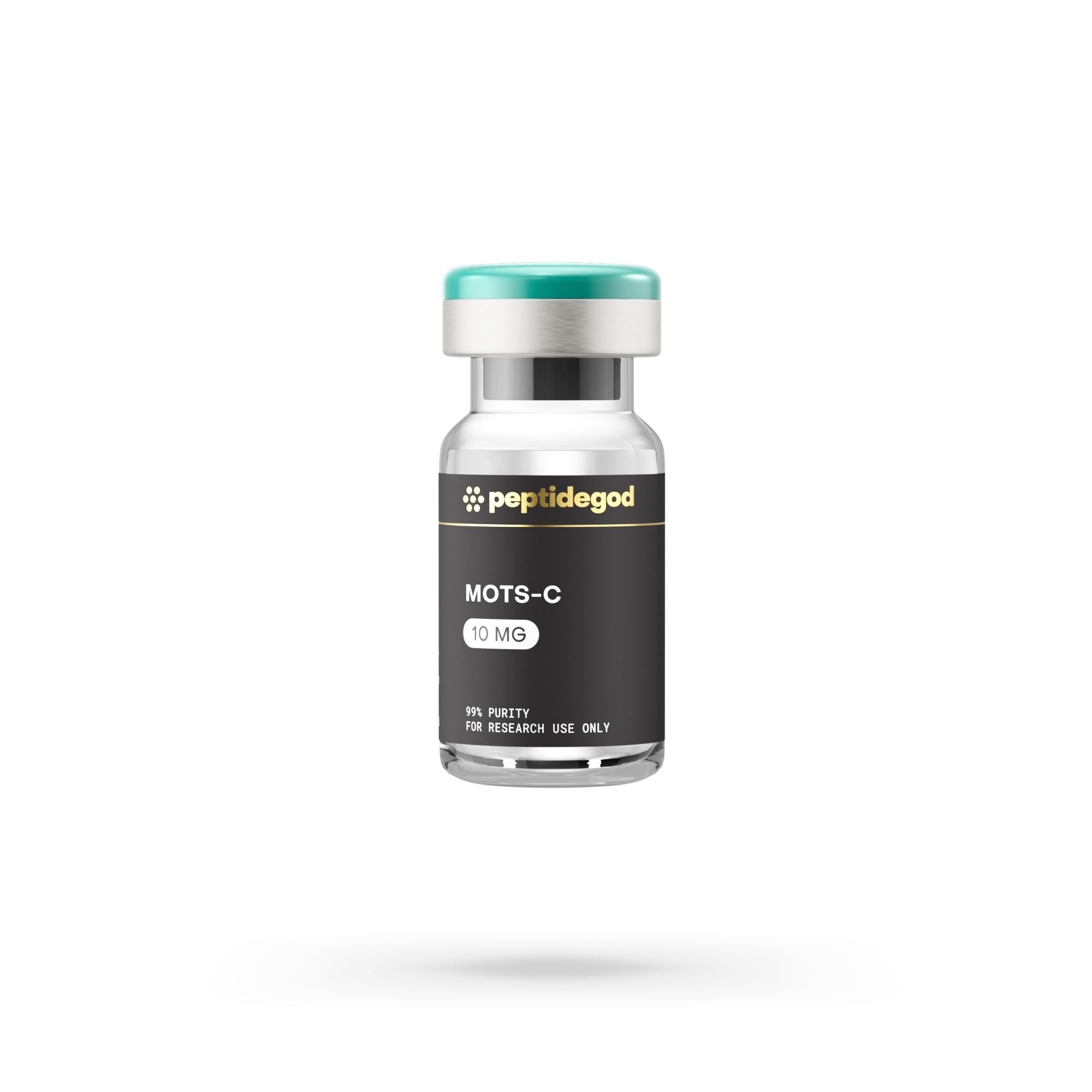
Peptide God offers MOTS-c for $49.95 as part of its "Metabolism & endurance research" category, boasting of an "exercise-mimetic research angle" as one of its claims. That one term sums up the bulk of the interest generated by research on MOTS-c and also many misunderstandings around it.
This page establishes the distinction between research concepts and exaggerated claims. MOTS-c is being studied in the fields of exercise and metabolism, although most research conducted on this compound is performed on animals. This product is not approved by the FDA and can only be sold for research purposes.
The angle for this research emerges from the inquiry of scientists about whether a peptide formed by mitochondrial DNA is involved in the body's response to exercise. Mitochondria are the source of the majority of the energy that muscles use; therefore sending out any signal from them seems to be a reasonable course of action in this regard.
The question is a real research question. The leap from "studied in exercise models" to "improves your workouts" is the part vendors and forums add. Our what is MOTS-c page covers the mitochondrial background in more depth.
"Exercise mimetic" refers to a chemical substance that reproduces some of the cellular or metabolic effects of exercise, measured in cell cultures or animals. It does not mean that the substance replaces exercise, nor does it necessary mean that the same effect are found in people.
This term is associated with various scientific compounds and pertains to a hypothesis. However, when the vendor marks it as a "pro," according to Peptide God, it means "this is the type of research where the compound is utilized"; furthermore, Peptide God, the vendor himself mentions that there is "Early human data" under disadvantages, which is equally important as the first point.
While animal studies can indicate the areas that researchers should investigate; they do not give the athletes information regarding the impact of MOTS-c. Normally, MOTS-c studies involving exercise assess physical abilities and metabolic indices in animals in controlled conditions.
Several gaps sit between those findings and a person:
We would treat any training claim built on these studies as a guess wearing a lab coat.
Athletes who are checked are advised to see the latest WADA Prohibited List and the regulations of their federation before using any of research peptides, including MOTS-c. According to WADA data, BPC-157 and TB-500 (thymosin beta-4 and its fragments) are banned in sports; those substances are often sold by the same companies that market MOTS-c.
The term research-use does not provide you cover here. A product labeled "not for human consumption" can contain substances with a positive response, while a mislabeled vial can have something other than what it claims. If you are a competitor, assume that using unapproved peptides is not part of your program.
vendor endurance claims represent the summary of the research direction, and it is a good idea to check what exactly each of them states. Here is how both MOTS-c entries we looked at describe themselves.
| Vendor | Price | Research focus stated | Drawback stated |
|---|---|---|---|
| Peptide God | $49.95 | Metabolism & endurance research; exercise-mimetic angle | Human data early; research use only |
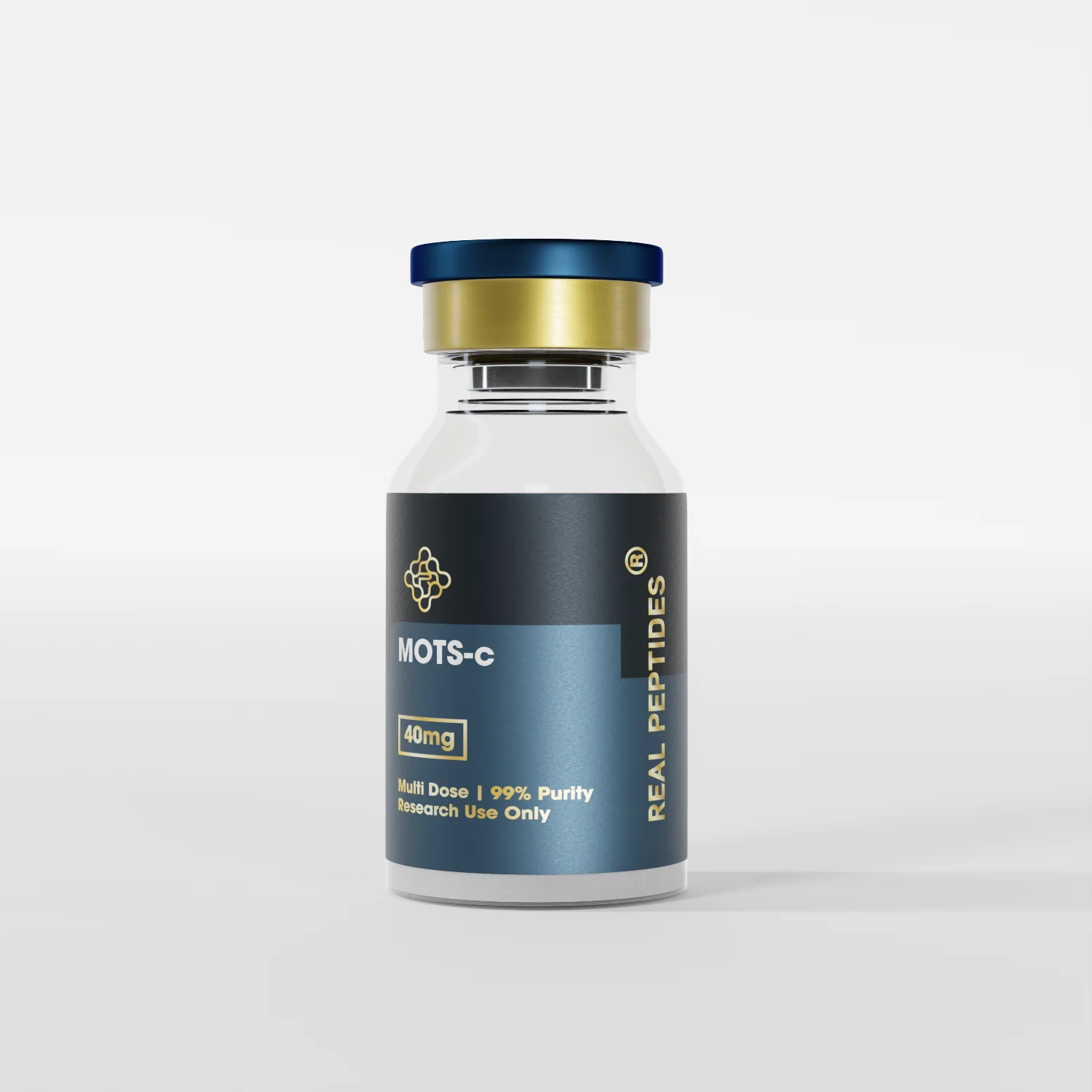
| Real Peptides | $43.20 (10mg) | Mitochondrial signaling target; growing research base | Research use only |
Both listings do not make any statement regarding performance claims about the individuals that is the right approach. Any third party platform claiming extra stamina, fat loss, or expedited recovery from the usage of MOTS-c exercise is going beyond what was promised by any of the manufacturers.
On the regulatory side, MOTS-c had its first formal FDA moment in 2026, and it had nothing to do with exercise performance. On 23 July 2026, FDA's Pharmacy Compounding Advisory Committee voted 8-6, with one abstention, to recommend MOTS-c for the 503A bulks list used by compounding pharmacies.
The vote is non-binding, and FDA must still go through proposed and final rulemaking before any compounding is allowed. Even then, compounding would mean a prescription from a clinician, not a training supplement. If you are curious about MOTS-c for your own fitness, talk to a doctor or a sports-medicine clinician. For the related metabolic question, see MOTS-c and weight loss.
Peptide God offers MOTS-c for $49.95 as part of its "Metabolism & endurance research" category, boasting of an "exercise-mimetic research angle" as one of its claims. That one term sums up the bulk of the interest generated by research on MOTS-c and also many misunderstandings around it.
This page establishes the distinction between research concepts and exaggerated claims. MOTS-c is being studied in the fields of exercise and metabolism, although most research conducted on this compound is performed on animals. This product is not approved by the FDA and can only be sold for research purposes.
The angle for this research emerges from the inquiry of scientists about whether a peptide formed by mitochondrial DNA is involved in the body's response to exercise. Mitochondria are the source of the majority of the energy that muscles use; therefore sending out any signal from them seems to be a reasonable course of action in this regard.
The question is a real research question. The leap from "studied in exercise models" to "improves your workouts" is the part vendors and forums add. Our what is MOTS-c page covers the mitochondrial background in more depth.
"Exercise mimetic" refers to a chemical substance that reproduces some of the cellular or metabolic effects of exercise, measured in cell cultures or animals. It does not mean that the substance replaces exercise, nor does it necessary mean that the same effect are found in people.
This term is associated with various scientific compounds and pertains to a hypothesis. However, when the vendor marks it as a "pro," according to Peptide God, it means "this is the type of research where the compound is utilized"; furthermore, Peptide God, the vendor himself mentions that there is "Early human data" under disadvantages, which is equally important as the first point.
While animal studies can indicate the areas that researchers should investigate; they do not give the athletes information regarding the impact of MOTS-c. Normally, MOTS-c studies involving exercise assess physical abilities and metabolic indices in animals in controlled conditions.
Several gaps sit between those findings and a person:
We would treat any training claim built on these studies as a guess wearing a lab coat.
Athletes who are checked are advised to see the latest WADA Prohibited List and the regulations of their federation before using any of research peptides, including MOTS-c. According to WADA data, BPC-157 and TB-500 (thymosin beta-4 and its fragments) are banned in sports; those substances are often sold by the same companies that market MOTS-c.
The term research-use does not provide you cover here. A product labeled "not for human consumption" can contain substances with a positive response, while a mislabeled vial can have something other than what it claims. If you are a competitor, assume that using unapproved peptides is not part of your program.