Metabolic
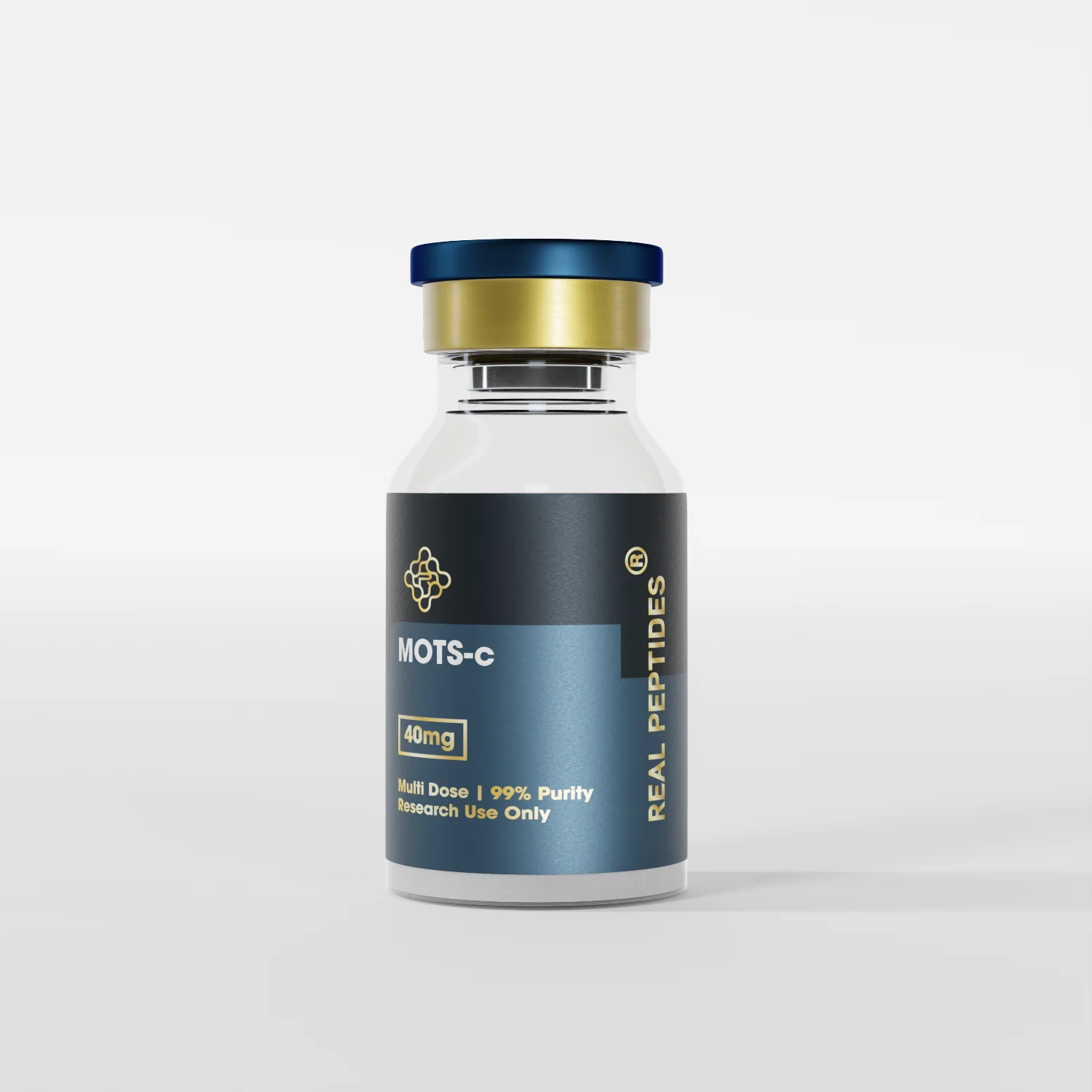
What is MOTS-c? A peptide coded in mitochondrial DNA, studied mostly in animals for metabolism and exercise, not FDA-approved, sold for research.
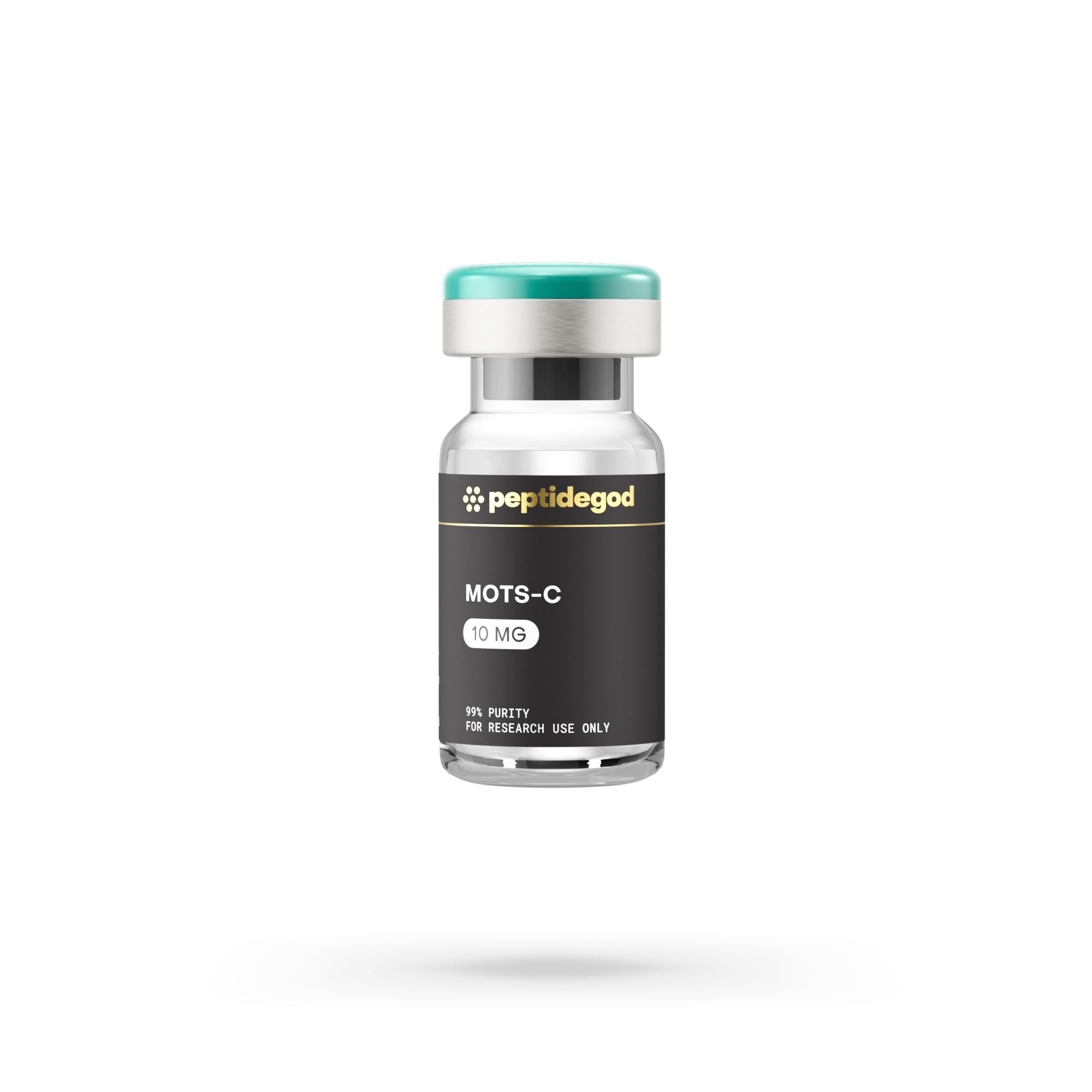
In July 2026, MOTS-c appeared in front of an FDA advisory panel, which subsequently gave an 8-6 vote, with one abstention, on which substances compounding pharmacies can use. Not many have heard about it even before its appearance in front of FDA’s panel. If you have never heard of MOTS-c, here is a brief explanation: it is a peptide that is encoded by mitochondrial DNA and has been studied mostly in animals in relation to metabolism and exercise.
The drug does not have the approval from FDA. It is available to purchase in the US by research companies who sell it as a research drug.
MOTS-c is a peptide derived from mitochondria, which is a short chain of amino acids encoded by the mitochondrial DNA rather than by the DNA present in the cell nucleus. Scientists are researching MOTS-c as a potential link between the energy system of the cell and metabolism in the organism. Most of this research involved some animal models, and up to now, there are no peer-reviewed clinical trials demonstrating any positive effects on humans.
This is the best way for a customer to comprehend the essence of MOTS-c: this is a genuine research topic with an extremely slight history of human usage. Any information that would go beyond that, like statements about fat loss and anti-ageing effects, is nothing but the seller's speculations and not true scientific conclusions. Neither a supplement, nor a medicine approved by authorities.
What makes a peptide from mitochondrial genetic material special is the fact that mitochondria possess a limited genome, and in most cases, proteins are formed based on codes given by nuclear DNA. The discovery of a signaling peptide coded by mitochondrial DNA gave the scientists a new insight into potential communication powers of mitochondria.
The reason why MOTS-c falls within the category of compounds used in research on metabolism and ageing is the origin of this peptide. The vendors convey their position correctly and describe their products as “mitochondrial peptide” (Peptide God) and “unique mitochondrial signaling target” (Real Peptides). Both descriptions are true with respect to research. However, none of the statements constitutes a health claim.
Most research on MOTS-c focuses on metabolism and exercise and is performed on animals. Researchers ask questions like what is its role in energy usage and physical performance in animal models.
The limitation exists in every one of these fields. Animal-based evidence has not been corroborated in human experimentation, and it is still not known whether MOTS-c is safe for use by humans in the long run.
In the United States, MOTS-c is available in the form of a freeze-dried powder from research suppliers under the name of MOTS-c. The listings offer a scientific definition of MOTS-c. The two vendors we follow have MOTS-c priced differently, as well as presented in different ways.
| Vendor | Price | Stated strength | Shipping and returns |
|---|---|---|---|
| Real Peptides | $43.20 | 10mg ($4.32 per mg) | Free US shipping over $250 |
| Peptide God | $49.95 | Not stated | Free US shipping over $100; 30-day free returns |
Real Peptides publishes a third-party COA, and Peptide God states lab testing at 99% purity or higher. We compare the two in detail on the MOTS-c vendor page. Neither vendor gives use instructions, and we do not either; our MOTS-c dosage page explains why no human dose exists.
In 2026, MOTS-c sits in a waiting position: recommended by an advisory committee, not yet acted on by FDA. The Pharmacy Compounding Advisory Committee voted on 23 July 2026 to recommend adding it to the 503A bulks list, the list compounding pharmacies may use. BPC-157, TB-500 and KPV received the same 8-6 count, with one abstention each, that day.
The decision is non-binding. The FDA will have to convene, then the steps of proposal and rulemaking with public input. At the time of the July meeting, MOTS-c has not been included in the substance so its compounding is not yet allowed.
Research vendors also face scrutiny. On 24 August 2026 FDA sent warning letters to five online peptide vendors, saying that "research use only" labels do not settle whether a product is meant for people. MOTS-c was not among the products named. If you are curious about MOTS-c for your own health, the right first step is a conversation with your doctor.
In July 2026, MOTS-c appeared in front of an FDA advisory panel, which subsequently gave an 8-6 vote, with one abstention, on which substances compounding pharmacies can use. Not many have heard about it even before its appearance in front of FDA’s panel. If you have never heard of MOTS-c, here is a brief explanation: it is a peptide that is encoded by mitochondrial DNA and has been studied mostly in animals in relation to metabolism and exercise.
The drug does not have the approval from FDA. It is available to purchase in the US by research companies who sell it as a research drug.
MOTS-c is a peptide derived from mitochondria, which is a short chain of amino acids encoded by the mitochondrial DNA rather than by the DNA present in the cell nucleus. Scientists are researching MOTS-c as a potential link between the energy system of the cell and metabolism in the organism. Most of this research involved some animal models, and up to now, there are no peer-reviewed clinical trials demonstrating any positive effects on humans.
This is the best way for a customer to comprehend the essence of MOTS-c: this is a genuine research topic with an extremely slight history of human usage. Any information that would go beyond that, like statements about fat loss and anti-ageing effects, is nothing but the seller's speculations and not true scientific conclusions. Neither a supplement, nor a medicine approved by authorities.
What makes a peptide from mitochondrial genetic material special is the fact that mitochondria possess a limited genome, and in most cases, proteins are formed based on codes given by nuclear DNA. The discovery of a signaling peptide coded by mitochondrial DNA gave the scientists a new insight into potential communication powers of mitochondria.
The reason why MOTS-c falls within the category of compounds used in research on metabolism and ageing is the origin of this peptide. The vendors convey their position correctly and describe their products as “mitochondrial peptide” (Peptide God) and “unique mitochondrial signaling target” (Real Peptides). Both descriptions are true with respect to research. However, none of the statements constitutes a health claim.
Most research on MOTS-c focuses on metabolism and exercise and is performed on animals. Researchers ask questions like what is its role in energy usage and physical performance in animal models.
The limitation exists in every one of these fields. Animal-based evidence has not been corroborated in human experimentation, and it is still not known whether MOTS-c is safe for use by humans in the long run.
In the United States, MOTS-c is available in the form of a freeze-dried powder from research suppliers under the name of MOTS-c. The listings offer a scientific definition of MOTS-c. The two vendors we follow have MOTS-c priced differently, as well as presented in different ways.
| Vendor | Price | Stated strength | Shipping and returns |
|---|---|---|---|
| Real Peptides | $43.20 | 10mg ($4.32 per mg) | Free US shipping over $250 |
| Peptide God | $49.95 | Not stated | Free US shipping over $100; 30-day free returns |
Real Peptides publishes a third-party COA, and Peptide God states lab testing at 99% purity or higher. We compare the two in detail on the MOTS-c vendor page. Neither vendor gives use instructions, and we do not either; our MOTS-c dosage page explains why no human dose exists.